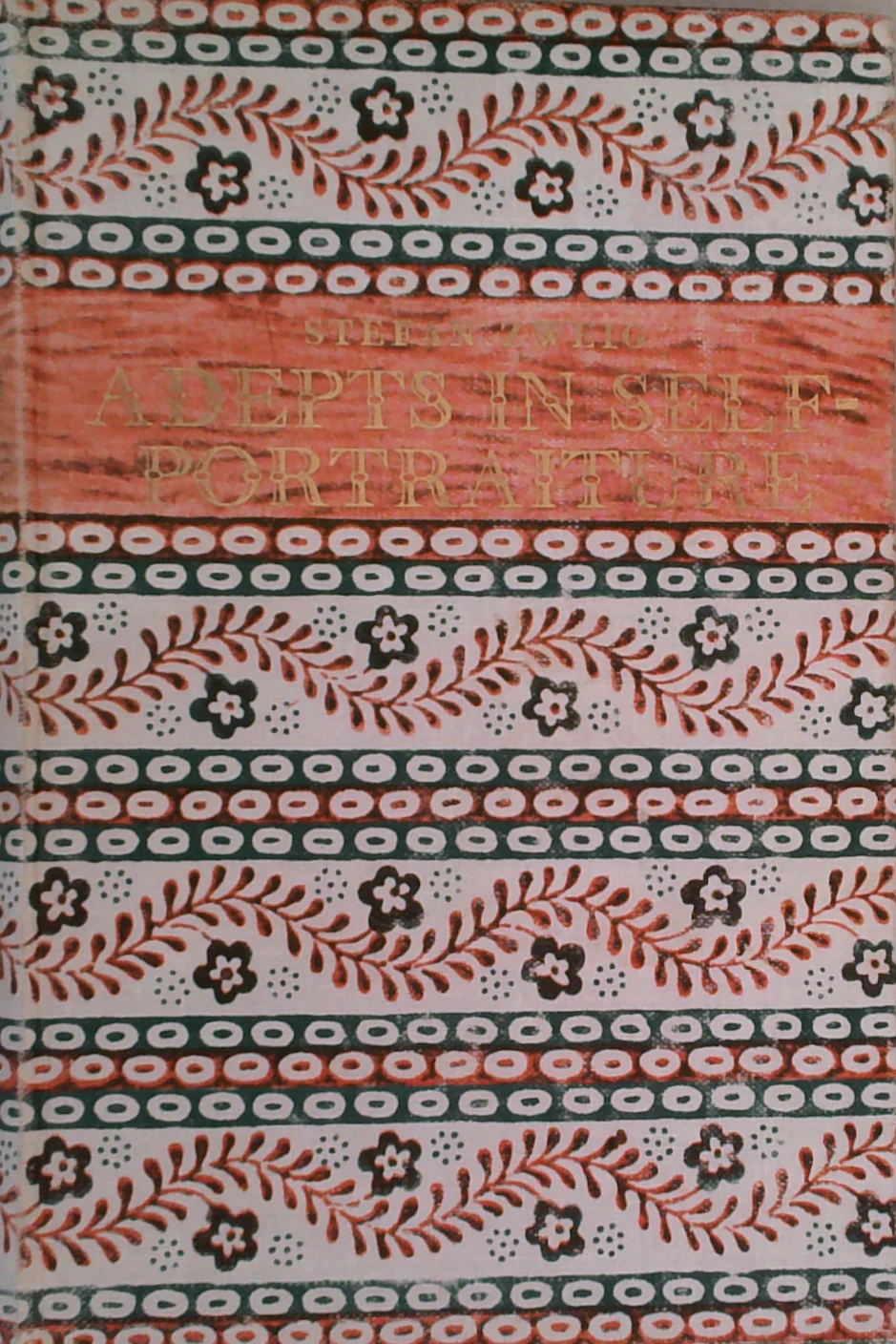
Adepts In Self-Portraiture: Casanova Stendhal Tolstoy
Condition remarks:
Book: Fair
Jacket: N/A
Pages: Good
Markings: No markings
A masterwork of literary criticism and psychological biography, Stefan Zweig's Adepts in Self-Portraiture: Casanova, Stendhal, Tolstoy presents three towering figures of autobiographical writing through the lens of Zweig's characteristically penetrating and elegant analysis. With incisive brilliance, Zweig argues that Casanova, Stendhal, and Tolstoy each represent a distinct mode of self-revelation — the sensual, the intellectual, and the moral — and that their confessional writings illuminate not only their own inner lives but the very nature of human self-knowledge. The tone is at once scholarly and deeply personal, as Zweig's prose crackles with admiration and critical acuity, drawing vivid portraits of three men who were, above all else, consumed by the act of understanding themselves. Each essay stands as a gem of European literary criticism, illustrating how the memoir and autobiography can serve as both artistic achievement and psychological confession. This is essential reading for anyone captivated by the intersection of literature, identity, and the relentless human drive toward self-examination.
Original: $6.10
-65%$6.10
$2.13Product Information
Product Information
Shipping & Returns
Shipping & Returns
Description
Condition remarks:
Book: Fair
Jacket: N/A
Pages: Good
Markings: No markings
A masterwork of literary criticism and psychological biography, Stefan Zweig's Adepts in Self-Portraiture: Casanova, Stendhal, Tolstoy presents three towering figures of autobiographical writing through the lens of Zweig's characteristically penetrating and elegant analysis. With incisive brilliance, Zweig argues that Casanova, Stendhal, and Tolstoy each represent a distinct mode of self-revelation — the sensual, the intellectual, and the moral — and that their confessional writings illuminate not only their own inner lives but the very nature of human self-knowledge. The tone is at once scholarly and deeply personal, as Zweig's prose crackles with admiration and critical acuity, drawing vivid portraits of three men who were, above all else, consumed by the act of understanding themselves. Each essay stands as a gem of European literary criticism, illustrating how the memoir and autobiography can serve as both artistic achievement and psychological confession. This is essential reading for anyone captivated by the intersection of literature, identity, and the relentless human drive toward self-examination.