The Physiography Of Victoria: An Introduction To Geomorphology
Condition remarks:
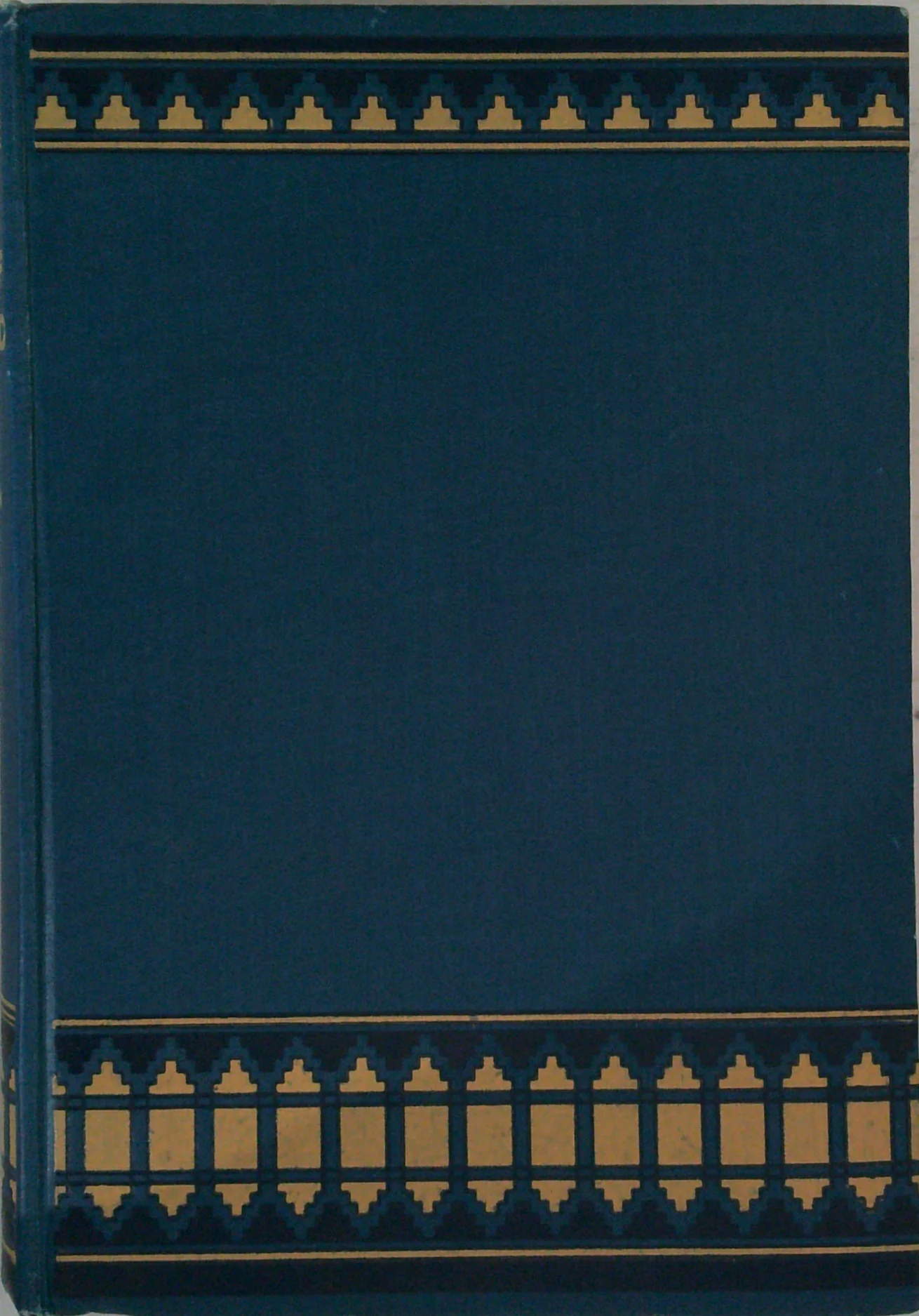
Book: Fair
Jacket: Wear and tear
Pages: Good
Markings: Previous owner
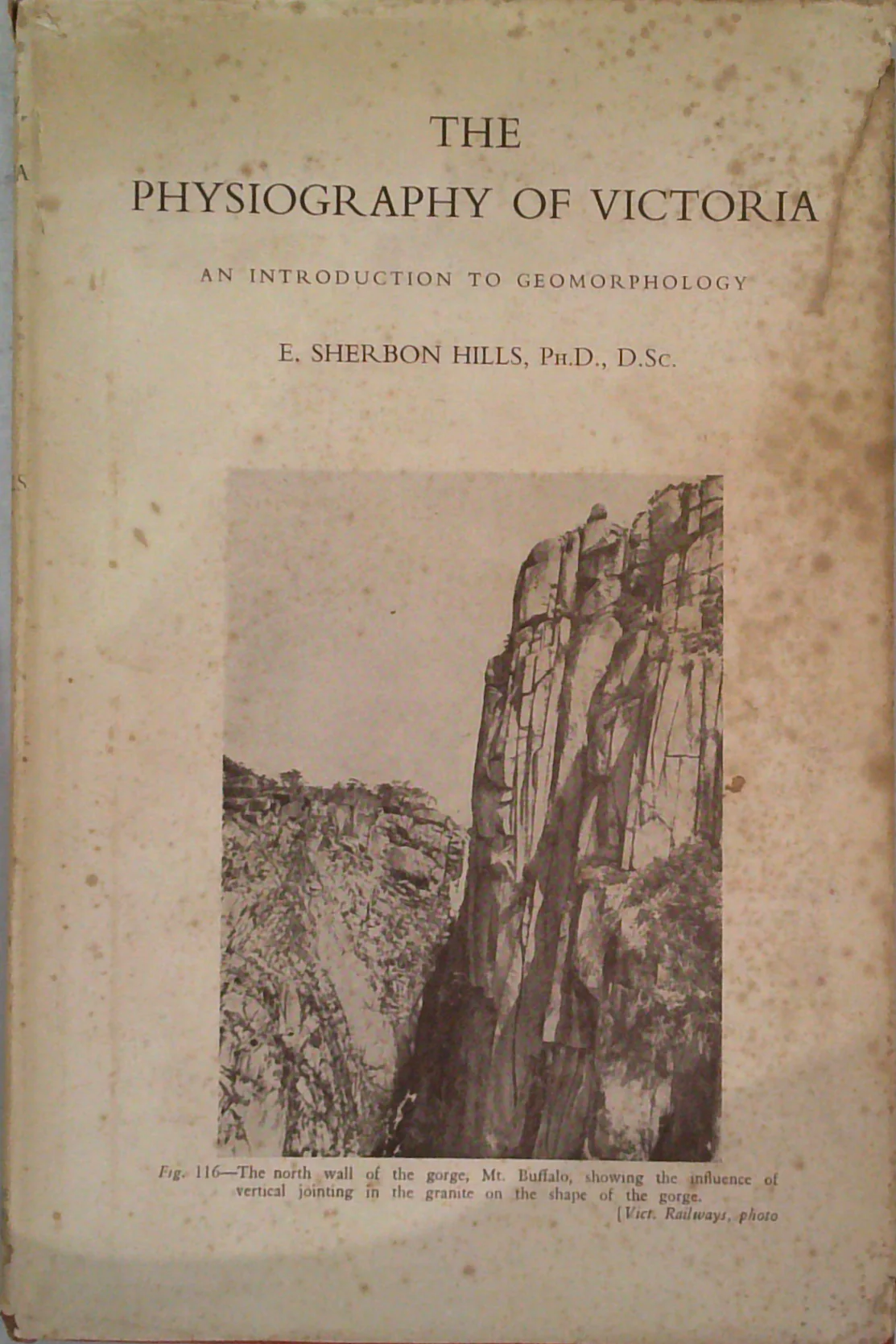
A foundational work in Australian earth science, The Physiography of Victoria: An Introduction to Geomorphology presents a rigorous and systematic examination of the physical landscape of Victoria, Australia, through the lens of geomorphological science. E. Sherbon Hills details the origins, evolution, and structural characteristics of Victoria's diverse landforms — from its mountain ranges and river systems to its coastal plains and volcanic regions — grounding each analysis in geological history and process. Written with academic authority yet structured as an accessible introduction, the text instructs students and scholars alike in the principles of geomorphology as applied to a specific and richly varied regional landscape. Hills illustrates how tectonic forces, erosion, and deposition have shaped the terrain over vast timescales, making Victoria a compelling case study for understanding broader geomorphological concepts. This classic regional geography text remains an essential reference for those studying Australian physical geography, geology, or environmental science.
Original: $12.69
-65%$12.69
$4.44Product Information
Product Information
Shipping & Returns
Shipping & Returns
Description
Condition remarks:
Book: Fair
Jacket: Wear and tear
Pages: Good
Markings: Previous owner
A foundational work in Australian earth science, The Physiography of Victoria: An Introduction to Geomorphology presents a rigorous and systematic examination of the physical landscape of Victoria, Australia, through the lens of geomorphological science. E. Sherbon Hills details the origins, evolution, and structural characteristics of Victoria's diverse landforms — from its mountain ranges and river systems to its coastal plains and volcanic regions — grounding each analysis in geological history and process. Written with academic authority yet structured as an accessible introduction, the text instructs students and scholars alike in the principles of geomorphology as applied to a specific and richly varied regional landscape. Hills illustrates how tectonic forces, erosion, and deposition have shaped the terrain over vast timescales, making Victoria a compelling case study for understanding broader geomorphological concepts. This classic regional geography text remains an essential reference for those studying Australian physical geography, geology, or environmental science.