The Plebeians Rehearse The Uprising: A German Tragedy
Edition: 1st uk ed.,
Condition remarks:
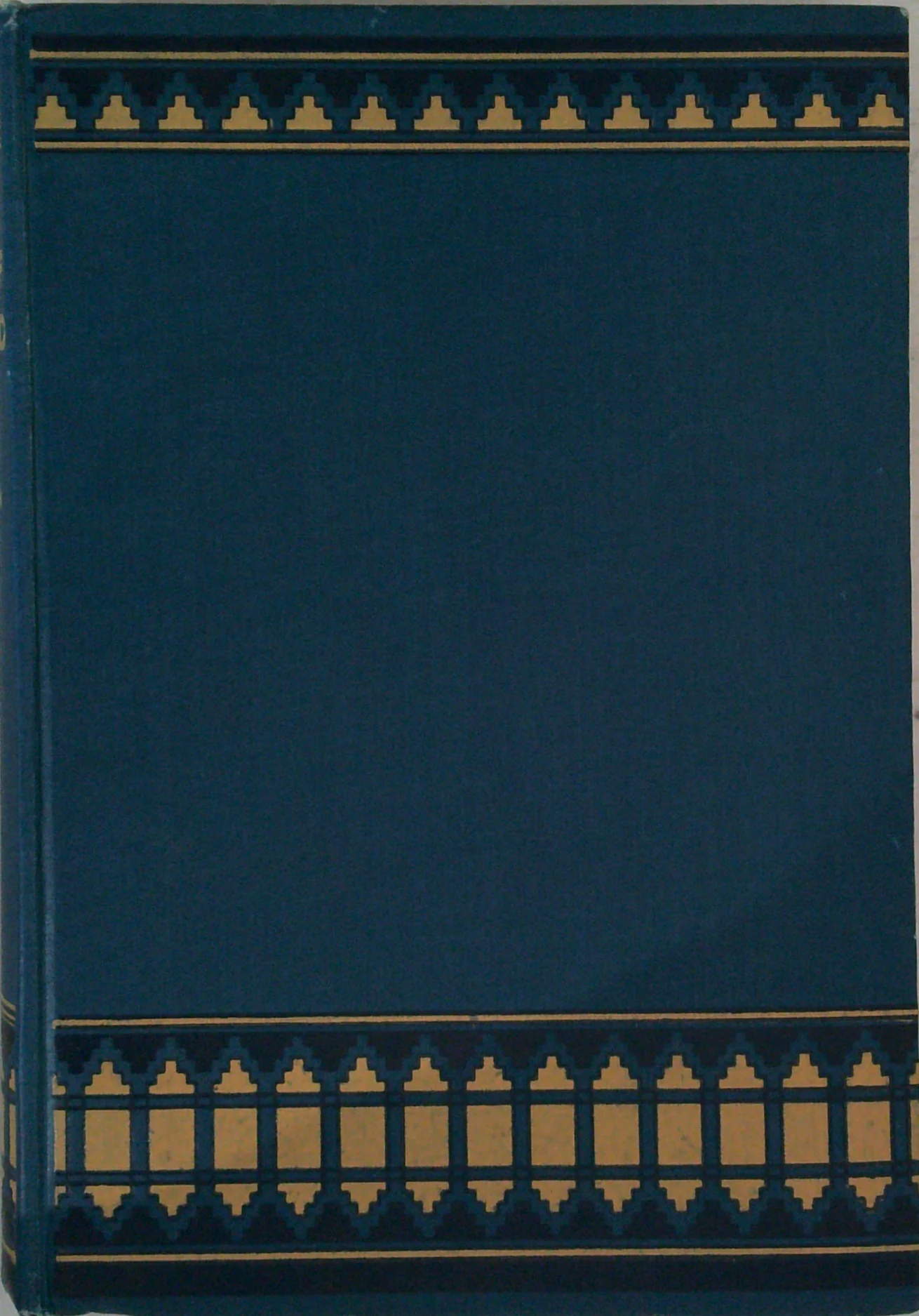
Book: Good
Jacket: Wear and tear
Pages: Good , price clipped
Markings: No markings
A landmark work of German political drama, The Plebeians Rehearse the Uprising presents a searing and intellectually charged confrontation between art and political responsibility set against the backdrop of the East German workers' uprising of June 17, 1953. Günter Grass constructs a provocative fictional scenario in which a powerful theater director — unmistakably modeled on Bertolt Brecht — is rehearsing his adaptation of Shakespeare's Coriolanus when real workers burst onto the stage seeking his support for their revolt. With sharp, ironic wit, the play argues that the intellectual and artistic elite, consumed by their own aesthetic projects, betray the working class at the very moment of historical crisis. Grass illustrates the tragic gap between revolutionary rhetoric and real-world action, indicting the complicity of artists who remain passive observers while history unfolds around them. The result is a morally urgent and theatrically rich tragedy that remains one of the most pointed critiques of the relationship between power, art, and political conscience in twentieth-century literature.
Product Information
Product Information
Shipping & Returns
Shipping & Returns
Description
Edition: 1st uk ed.,
Condition remarks:
Book: Good
Jacket: Wear and tear
Pages: Good , price clipped
Markings: No markings
A landmark work of German political drama, The Plebeians Rehearse the Uprising presents a searing and intellectually charged confrontation between art and political responsibility set against the backdrop of the East German workers' uprising of June 17, 1953. Günter Grass constructs a provocative fictional scenario in which a powerful theater director — unmistakably modeled on Bertolt Brecht — is rehearsing his adaptation of Shakespeare's Coriolanus when real workers burst onto the stage seeking his support for their revolt. With sharp, ironic wit, the play argues that the intellectual and artistic elite, consumed by their own aesthetic projects, betray the working class at the very moment of historical crisis. Grass illustrates the tragic gap between revolutionary rhetoric and real-world action, indicting the complicity of artists who remain passive observers while history unfolds around them. The result is a morally urgent and theatrically rich tragedy that remains one of the most pointed critiques of the relationship between power, art, and political conscience in twentieth-century literature.