Theism And Humanism
Edition: First Edition
Condition remarks:
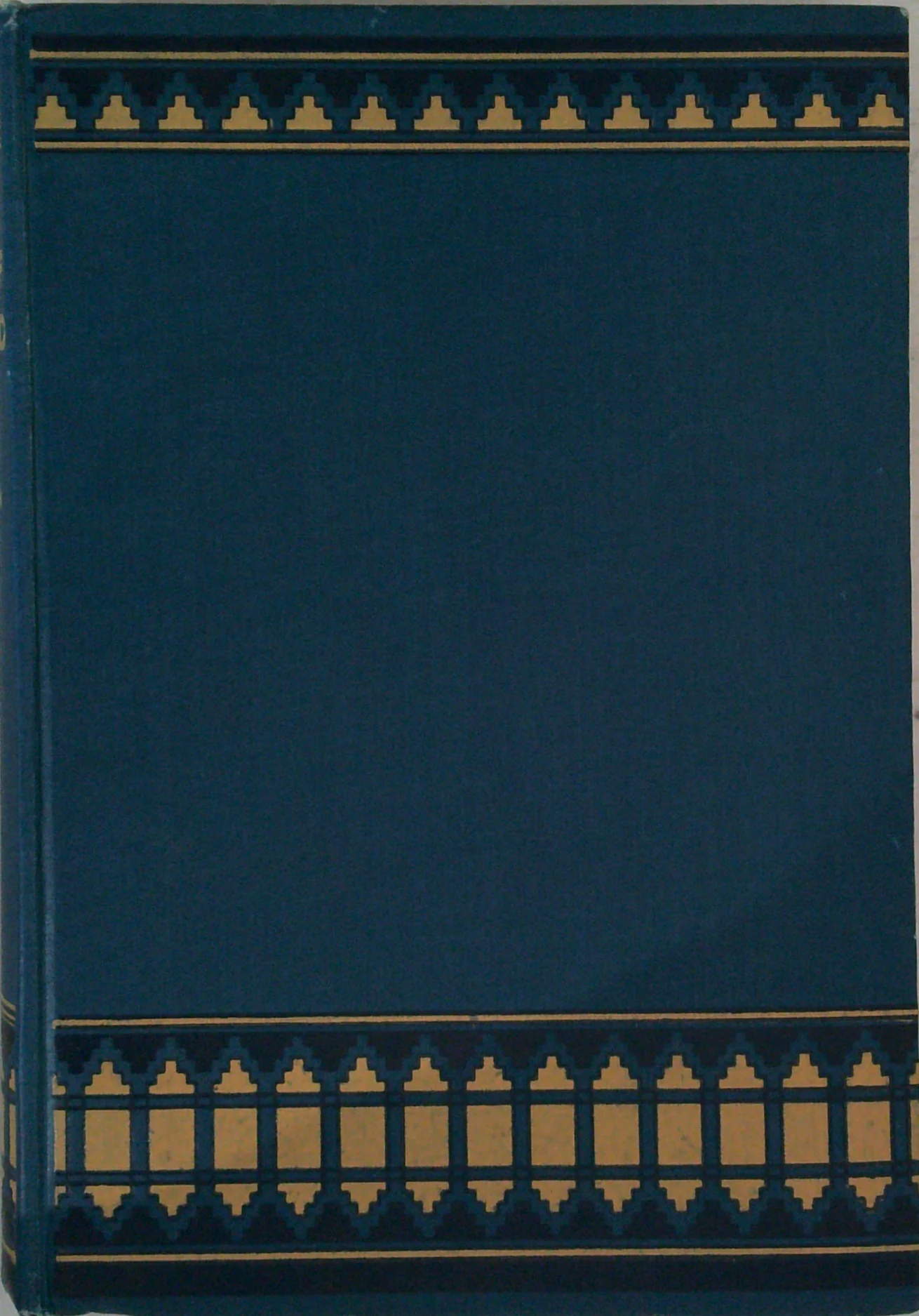
Book: Poor
Jacket: N/A
Pages: Tanning and foxing
Markings: Previous owner
A landmark work of philosophical theology, Theism and Humanism presents the Gifford Lectures delivered by Arthur James Balfour in 1914, in which he mounts a rigorous and eloquent argument that theism — belief in a personal God — is the only rational foundation upon which human values, beauty, and knowledge can rest. Balfour argues with the authority of both a statesman and a philosopher that secular humanism, stripped of its theistic underpinnings, cannot adequately account for the existence of reason, morality, or aesthetic experience. Written in a tone that is measured yet deeply persuasive, the work systematically dismantles the pretensions of naturalism to provide a self-sufficient worldview. Drawing on science, ethics, and metaphysics, it illustrates how the very faculties humans use to pursue truth presuppose a rational, purposeful order that only theism can explain. A profound and enduring contribution to the philosophy of religion, it remains essential reading for anyone grappling with the relationship between faith, reason, and the human condition.
Product Information
Product Information
Shipping & Returns
Shipping & Returns
Description
Edition: First Edition
Condition remarks:
Book: Poor
Jacket: N/A
Pages: Tanning and foxing
Markings: Previous owner
A landmark work of philosophical theology, Theism and Humanism presents the Gifford Lectures delivered by Arthur James Balfour in 1914, in which he mounts a rigorous and eloquent argument that theism — belief in a personal God — is the only rational foundation upon which human values, beauty, and knowledge can rest. Balfour argues with the authority of both a statesman and a philosopher that secular humanism, stripped of its theistic underpinnings, cannot adequately account for the existence of reason, morality, or aesthetic experience. Written in a tone that is measured yet deeply persuasive, the work systematically dismantles the pretensions of naturalism to provide a self-sufficient worldview. Drawing on science, ethics, and metaphysics, it illustrates how the very faculties humans use to pursue truth presuppose a rational, purposeful order that only theism can explain. A profound and enduring contribution to the philosophy of religion, it remains essential reading for anyone grappling with the relationship between faith, reason, and the human condition.