The Idea Of A Secular Society: And Its Significance For Christians
Edition: First Edition
Condition remarks:
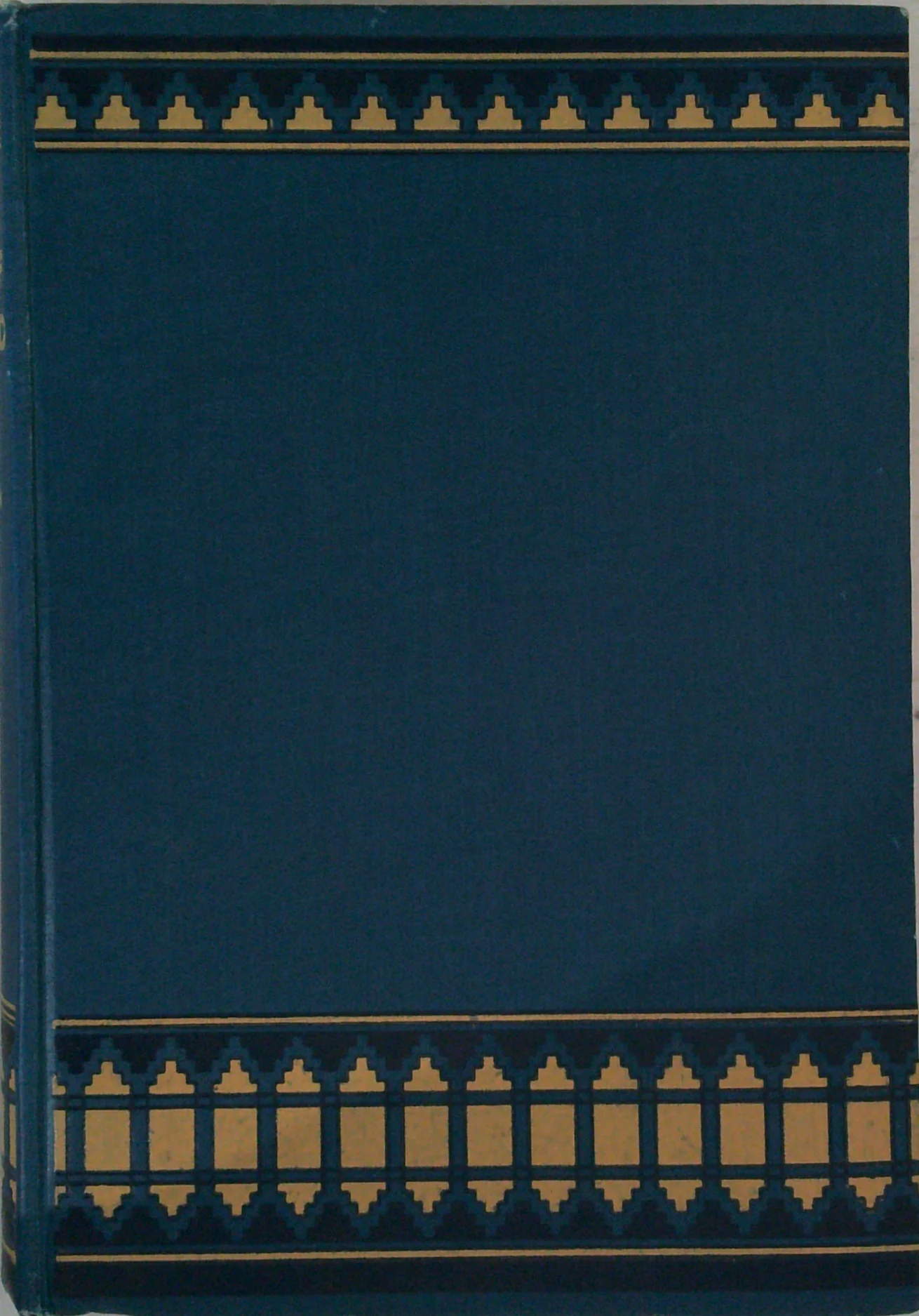
Book: Good
Jacket: Wear and tear
Pages: Good
Markings: No markings
Condition remarks: Tears along folds of jacket.
A work of Christian social theology and political philosophy, The Idea of a Secular Society: And Its Significance for Christians presents a rigorous and thought-provoking examination of what it truly means for a society to be secular, and why Christians ought to engage with — rather than resist — that concept. D. L. Munby argues that a secular society is not one hostile to religion, but rather one that refuses to commit itself to any particular set of religious or ideological beliefs in its public institutions, and he illustrates why this distinction carries profound implications for Christian thought and practice. Written in a measured, scholarly tone, the work details the historical and philosophical underpinnings of secularism while challenging Christians to reconsider their assumptions about the relationship between faith and public life. Munby's analysis remains a landmark contribution to mid-twentieth century theological debate, urging believers to find constructive and honest ways to participate in a pluralistic world without demanding that society conform to Christian norms.
Product Information
Product Information
Shipping & Returns
Shipping & Returns
Description
Edition: First Edition
Condition remarks:
Book: Good
Jacket: Wear and tear
Pages: Good
Markings: No markings
Condition remarks: Tears along folds of jacket.
A work of Christian social theology and political philosophy, The Idea of a Secular Society: And Its Significance for Christians presents a rigorous and thought-provoking examination of what it truly means for a society to be secular, and why Christians ought to engage with — rather than resist — that concept. D. L. Munby argues that a secular society is not one hostile to religion, but rather one that refuses to commit itself to any particular set of religious or ideological beliefs in its public institutions, and he illustrates why this distinction carries profound implications for Christian thought and practice. Written in a measured, scholarly tone, the work details the historical and philosophical underpinnings of secularism while challenging Christians to reconsider their assumptions about the relationship between faith and public life. Munby's analysis remains a landmark contribution to mid-twentieth century theological debate, urging believers to find constructive and honest ways to participate in a pluralistic world without demanding that society conform to Christian norms.