The Spirit Of Prayer And The Spirit Of Love
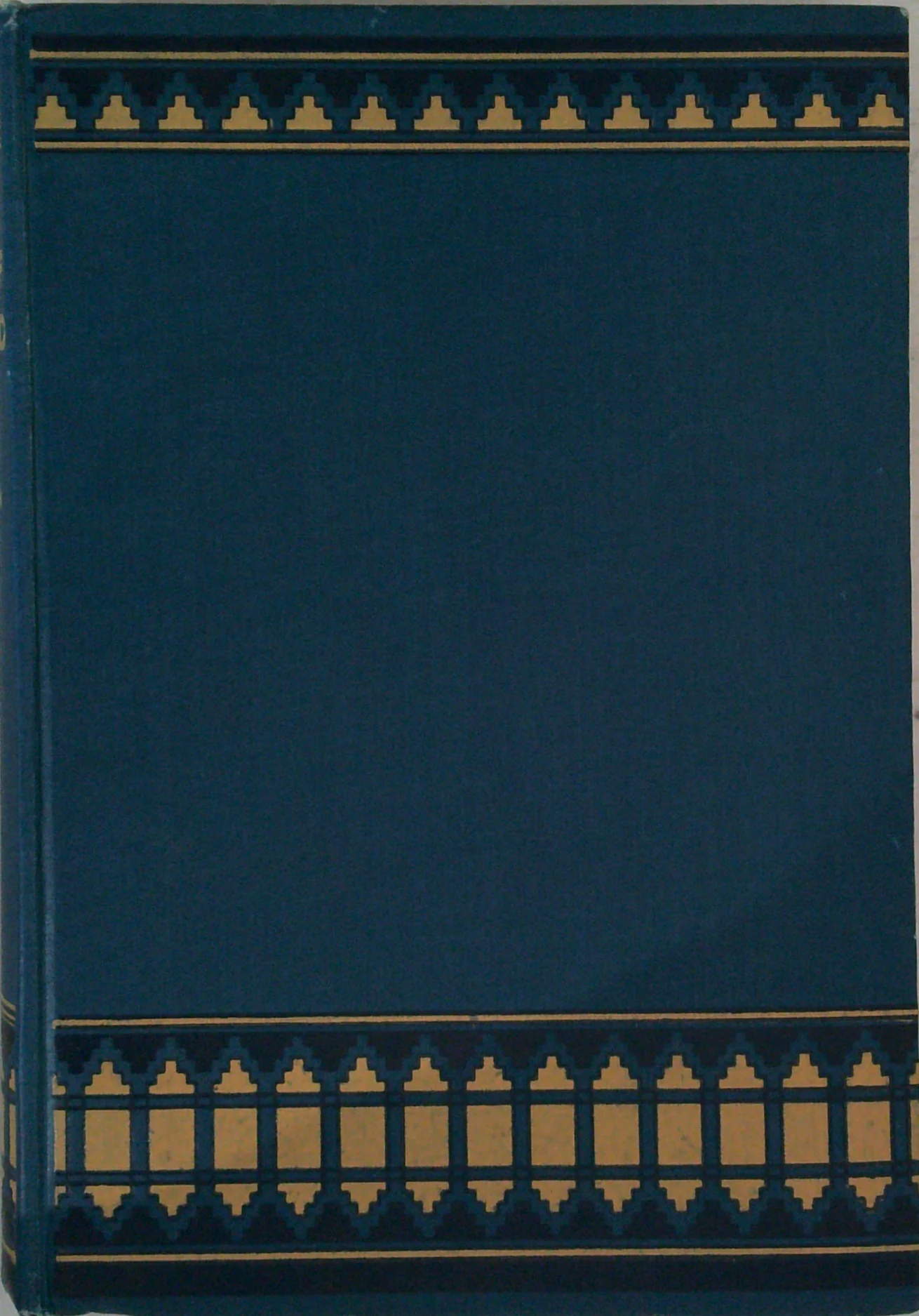
Condition remarks:
Book: Good
Jacket: Wear and tear
Pages: Good
Markings: No markings
A cornerstone of eighteenth-century Christian mysticism, The Spirit of Prayer and the Spirit of Love presents William Law's most mature and deeply felt theological vision, arguing that the soul's highest calling is a complete surrender to divine love and an inward union with God. Written in two companion treatises, the work instructs readers that true prayer is not a formal exercise but a continual turning of the heart toward the divine light within, a transformative practice available to every human soul. Law draws heavily on the mystical tradition of Jacob Böhme, weaving those influences into a passionate and accessible prose that carries both the warmth of a spiritual guide and the conviction of a reformer. The tone throughout is earnest and devotional, urging readers away from outward religion and toward an interior life of humility, self-denial, and love. Regarded as one of the most eloquent expressions of Protestant mysticism in the English language, this work remains a profound and challenging call to spiritual renewal.
Product Information
Product Information
Shipping & Returns
Shipping & Returns
Description
Condition remarks:
Book: Good
Jacket: Wear and tear
Pages: Good
Markings: No markings
A cornerstone of eighteenth-century Christian mysticism, The Spirit of Prayer and the Spirit of Love presents William Law's most mature and deeply felt theological vision, arguing that the soul's highest calling is a complete surrender to divine love and an inward union with God. Written in two companion treatises, the work instructs readers that true prayer is not a formal exercise but a continual turning of the heart toward the divine light within, a transformative practice available to every human soul. Law draws heavily on the mystical tradition of Jacob Böhme, weaving those influences into a passionate and accessible prose that carries both the warmth of a spiritual guide and the conviction of a reformer. The tone throughout is earnest and devotional, urging readers away from outward religion and toward an interior life of humility, self-denial, and love. Regarded as one of the most eloquent expressions of Protestant mysticism in the English language, this work remains a profound and challenging call to spiritual renewal.