The Philosophy Of Punishment: A Collection Of Papers
Condition remarks:
Book: Very good
Jacket: No dust jacket
Pages: Good
Markings: No markings
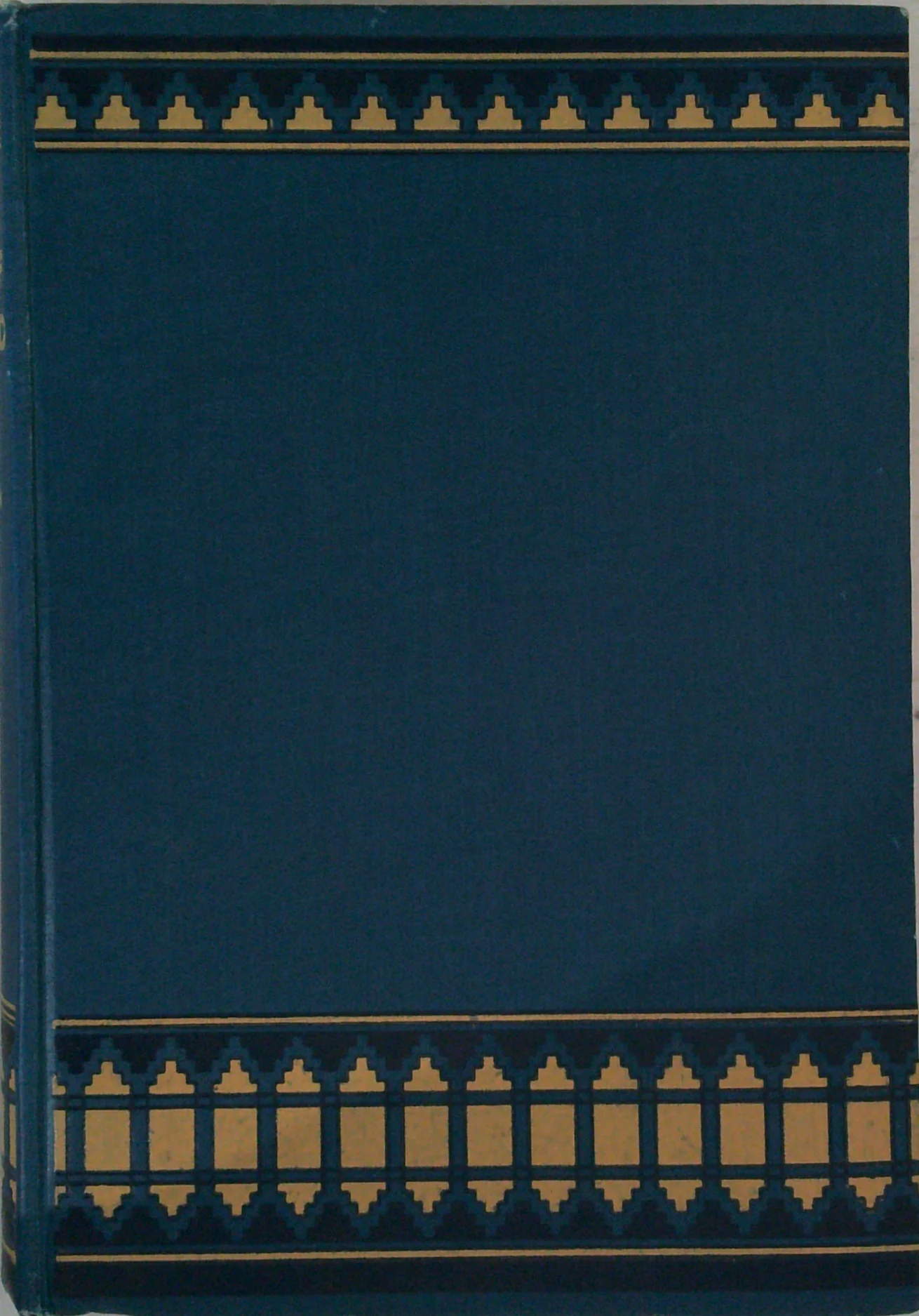
Condition remarks: Condition as shown in image. Underlining in pencil and red pencil throughout
A rigorous work of moral and legal philosophy, The Philosophy of Punishment: A Collection of Papers presents a carefully curated anthology of essays that examines the theoretical foundations underlying the practice of punishing wrongdoers. Edited by H. B. Acton, the collection brings together influential thinkers to argue competing positions on retributivism, deterrence, rehabilitation, and the moral justification of state-sanctioned punishment. The tone is scholarly and precise, demanding careful engagement from readers already versed in ethical theory or jurisprudence, while remaining accessible enough to reward those approaching the subject with serious intellectual curiosity. Each paper illuminates a distinct facet of the debate, illustrating how questions of justice, desert, and human dignity intersect in ways that resist easy resolution. Taken together, the essays constitute an essential resource for students and scholars of philosophy, law, and political theory seeking a comprehensive grounding in one of ethics' most enduring controversies.
Original: $6.10
-65%$6.10
$2.13Product Information
Product Information
Shipping & Returns
Shipping & Returns
Description
Condition remarks:
Book: Very good
Jacket: No dust jacket
Pages: Good
Markings: No markings
Condition remarks: Condition as shown in image. Underlining in pencil and red pencil throughout
A rigorous work of moral and legal philosophy, The Philosophy of Punishment: A Collection of Papers presents a carefully curated anthology of essays that examines the theoretical foundations underlying the practice of punishing wrongdoers. Edited by H. B. Acton, the collection brings together influential thinkers to argue competing positions on retributivism, deterrence, rehabilitation, and the moral justification of state-sanctioned punishment. The tone is scholarly and precise, demanding careful engagement from readers already versed in ethical theory or jurisprudence, while remaining accessible enough to reward those approaching the subject with serious intellectual curiosity. Each paper illuminates a distinct facet of the debate, illustrating how questions of justice, desert, and human dignity intersect in ways that resist easy resolution. Taken together, the essays constitute an essential resource for students and scholars of philosophy, law, and political theory seeking a comprehensive grounding in one of ethics' most enduring controversies.