What Is Man?
Condition remarks:
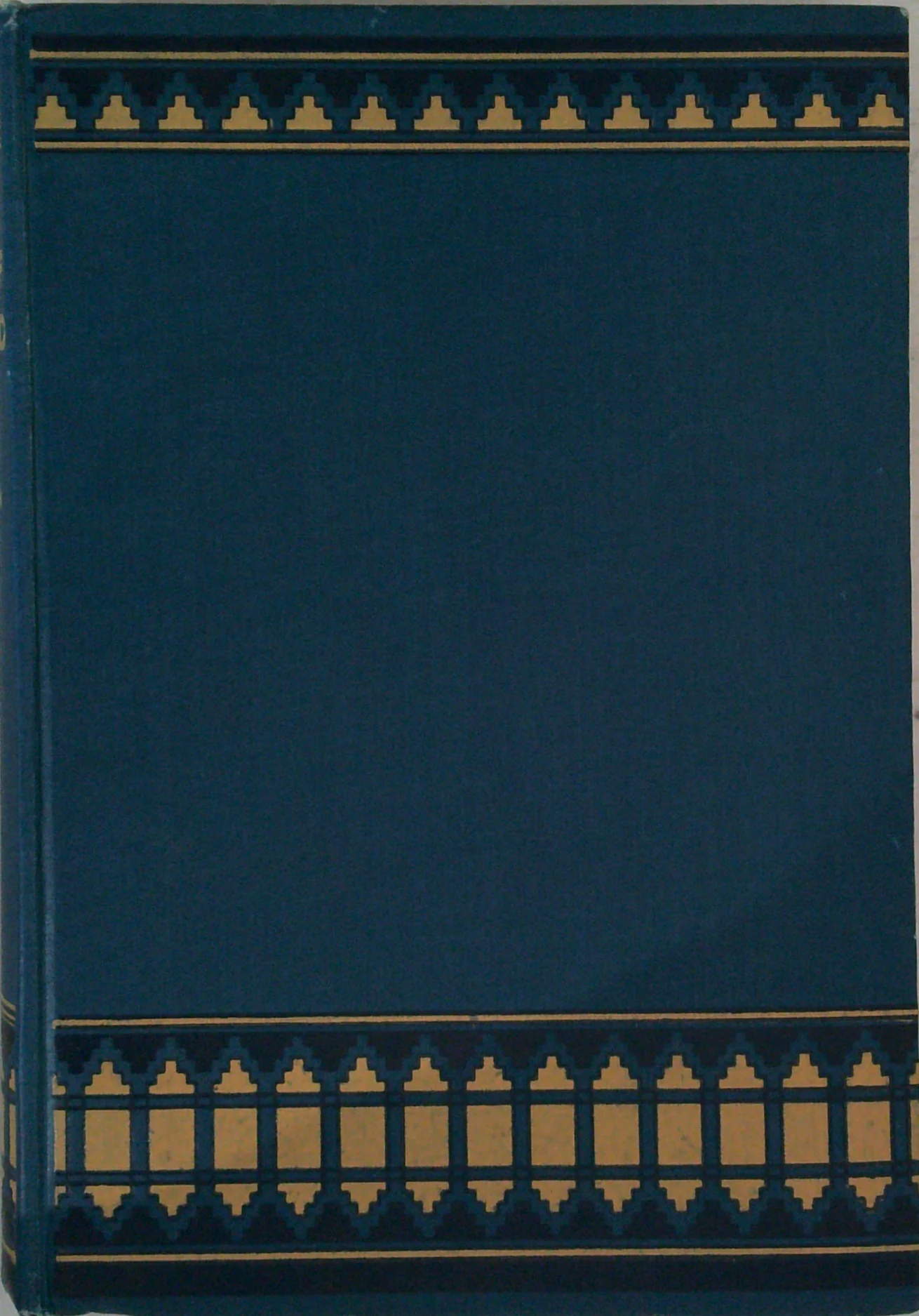
Book: Good
Jacket: N/A
Pages: Good
Markings: No markings
A provocative work of philosophical dialogue, What Is Man? presents Mark Twain's unflinching mechanistic view of human nature through a series of Socratic exchanges between an Old Man and a Young Man. Twain argues with characteristic wit and intellectual force that human beings are nothing more than machines, entirely governed by outside influences and self-interest, with no true free will or original thought. The work strips away romantic notions of moral virtue and individual agency, illustrating instead a deterministic universe in which every action is driven by the pursuit of personal comfort or the approval of one's own conscience. Written in Twain's later years and initially published anonymously in 1906, the dialogue carries a tone that is simultaneously sardonic and earnest, reflecting the deep pessimism that defined his final literary period. Readers drawn to philosophy, ethics, and the darker currents of American literature will find this slim but intellectually charged text both unsettling and endlessly thought-provoking.
Original: $6.10
-65%$6.10
$2.13Product Information
Product Information
Shipping & Returns
Shipping & Returns
Description
Condition remarks:
Book: Good
Jacket: N/A
Pages: Good
Markings: No markings
A provocative work of philosophical dialogue, What Is Man? presents Mark Twain's unflinching mechanistic view of human nature through a series of Socratic exchanges between an Old Man and a Young Man. Twain argues with characteristic wit and intellectual force that human beings are nothing more than machines, entirely governed by outside influences and self-interest, with no true free will or original thought. The work strips away romantic notions of moral virtue and individual agency, illustrating instead a deterministic universe in which every action is driven by the pursuit of personal comfort or the approval of one's own conscience. Written in Twain's later years and initially published anonymously in 1906, the dialogue carries a tone that is simultaneously sardonic and earnest, reflecting the deep pessimism that defined his final literary period. Readers drawn to philosophy, ethics, and the darker currents of American literature will find this slim but intellectually charged text both unsettling and endlessly thought-provoking.